
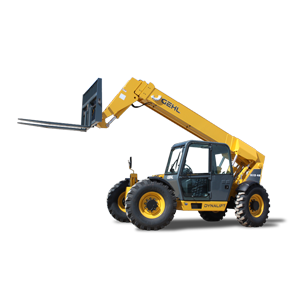

| General | Only qualified and authorized employees may operate equipment. Trade partners are prohibited from operating Hensel Phelps equipment. Stay away from moving equipment and out of pinch points. Inspect the machine at the beginning of each shift and notify your supervisor of any concerns. Never use an unsafe piece of equipment. Tag and take defective equipment out of service immediately. Backup alarms must be operational and able to be heard above surrounding noise. Never allow riders on the machine. Make sure the operator’s manual and load chart is available on the machine. Wear your personal protective equipment within the cab unless all doors and windows are closed, and the cab is fully enclosed. All lifting equipment, including spreaders, must have the capacity clearly marked on the equipment. Equipment attachments must be allowed by the manufacturer. Do not modify equipment. |
| Operating Practices | If supplied, wear the seatbelt at all times. Prior to backing, look behind you. Do not rely on the backup alarm to warn people of your movement. Before digging, know the location of all aboveground and underground utilities. Ensure they are properly marked. A dig permit is required before digging. Use a spotter in tight or congested areas. When driving, keep the boom, blade, or bucket low to the ground to improve stability and to avoid hitting overhead obstructions. 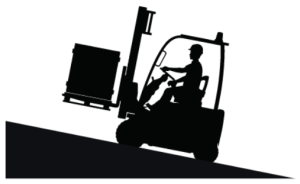 When traveling with a load on a hill or incline, keep the load facing uphill. Keep the machine far enough away from trenches to keep them from collapsing. Verify surroundings when working around powerlines. Keep minimum 10 feet from any live powerlines. Start and stop the machine from the operator’s seat. Before starting, ensure the brakes are set, transmission in park, blades or buckets lowered, controls are in neutral and the area is cleared of people. Park equipment on a level surface and lower the blades, bucket or boom. Set the parking brakes and put the controls in park or neutral. Turn off engine when refueling. Have a minimum 20:ABC fire extinguisher. Always verify the fueling equipment is properly bonded to dissipate any static build-up during refueling. When performing maintenance or service make sure to include lock out tag out (LOTO) of all systems (electrical, hydraulic, gasses, pneumatic). |