

| Inspection | Crane must be inspected prior to each shift. |
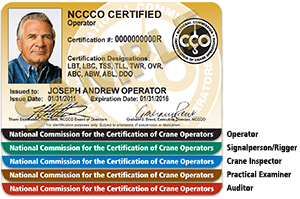
| Operators | Only certified operators may operate a crane or lifting device. |
| Ground Conditions | Must be firm, drained, and graded to specifications for support and the degree of levelness required by the manufacturer. |
| Operating Procedures | Must be available in the cab. Include load charts, operating speeds, hazard warnings, instructions, and operators manual. |
| Before Operating | Review weight, physical dimension, and center of gravity for the load. Also, review the rigging and crane capacities. The equipment shall not be operated in excess of its rated capacity. The operator shall verify the load is within the rated capacity. Prior to any critical lift, contact your supervisor. Review and follow manufacturer-supplied load charts. |
| Weather Conditions | Consider the effect of wind, ice, and snow on equipment stability and rated capacity. Utilize cranes’ operating procedures to determine safe conditions. |
| Overhead Powerlines | Keep the crane and load at least 20 feet from overhead power lines. If you must get within 20 feet, contact your supervisor.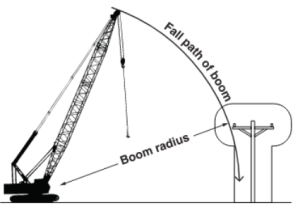 |
| Signals | Only qualified and authorized personnel may provide signals to crane operators. |
| Rigging | Only qualified riggers may rig loads. |
| Tag Lines | Tag lines are required unless their use creates a greater hazard. |