
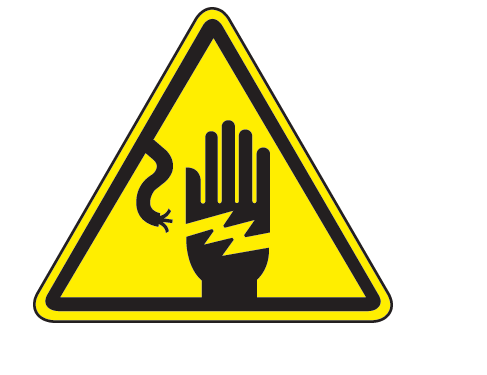

| Safe Work Practices | Electrical work may only be performed by qualified persons. Treat exposed de-energized parts as live when working on or around the equipment. An electrical work plan is required for all electrical work activities. This includes routine activities and can be documented using an AHA or MOP. Conductive apparel (example: fall protection harness with metal grommets and D rings) should not be worn unless it is rendered non-conductive by covering, wrapping or other insulating means. Electric rooms with live power shall be locked and inaccessible to all personnel that are not electricians. Live electrical rooms shall have conspicuous warning signs affixed to the outside forbidding entrance. |
| Cords | Inspect your cords before each use. If you find a damaged cord, remove the cord from service, red tag the cord, and report it to your supervisor immediately. Do not use the cord. Extension cords must be construction grade (minimum 12 gauge or larger and be rated for hard or extra hard use). All extension cords must have a ground prong. Do not repair cords with tape. Only qualified personnel may make field repairs. Route cords along walls or suspend them with nonconductive material like zip ties. Keep cords out of access areas where they are a trip hazard or will be damaged by equipment. If a cord must pass through a door or other pinch point, protect the cord so it does not become damaged. |
| GFCI Protection | Ground fault circuit interrupters (GFCI) must be used at the source for all activities requiring power on a jobsite, including plugging into permanent power. Test the GFCI before each use by pressing the “test” button and then the “reset” button when plugged in and power is applied. 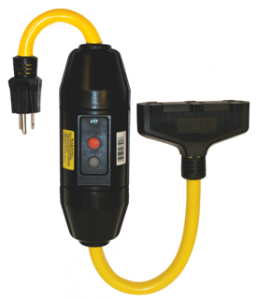 |
| Generators | Follow manufacture recommendations for grounding. Some generators are internally grounded. When refueling generators, make sure to shut off the power and use a funnel to avoid potential fuel spills and fire.  |
| Lighting of Work Areas | Supervisors are responsible for ensuring the lighting of the work area is established prior to the start of work. General construction areas require a minimum 5-foot candles of light. Lamps and fixtures (both general and task lighting) shall be equipped with guards to prevent accidental contact and injury to personnel. Note: Some LED fixtures do not require guarding – verify with the manufacturer. Unless designed for suspension, temporary lights shall not be suspended by their extension cord. Exposed empty light sockets and broken bulbs shall be replaced immediately. |