
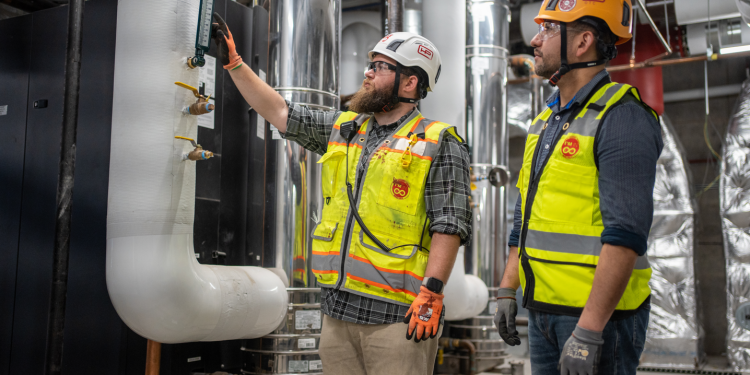

| Eye and Face Protection | Industrial grade safety glasses with rigid side shields meeting the ANSI Z87 standard are required at all times. Prescription eyewear must meet the same standard and be equipped with rigid side shields in order to be worn. The Z87 rating must be clearly stamped on the eyewear in order to be worn on the project. Standard (street grade) prescription lenses do not provide sufficient protection. Over-the-glass style industrial-grade safety glasses or mono-goggles must be worn at all times over street grade prescription lenses being worn by anyone on the project. 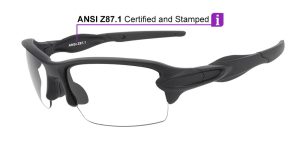 |
| Burning Goggles, Glasses, or Shields | Required for all gas-burning operations. Safety glasses or sunglasses are prohibited during these operations. Refer to the Welding Operation Shade Number Chart for minimum shade number located in the Welding and Burning section (29). |
| Mono Goggles | Must be worn for activities where safety glasses may not provide adequate protection. Activities that require mono goggles include, but are not limited to: 1. Overhead drilling, power chipping, and grinding. 2. Carpentry sawing operations when windy. 3. When using compressed air or when windy conditions could blow debris into your eyes. 4. Using certain chemical products like corrosive liquids. Remember to review the Safety Data Sheet (SDS) prior to working with any chemical and to follow manufacturer recommendations. 5. Do not wear contact lenses while using hazardous chemicals. |
| Face Shields | The use of a face shield is not a substitute for mono goggles. Must be worn in conjunction with the required eye protection for added face protection when: 1. Working with acids or hazardous liquids 2. Performing grinding operations 3. Chipping concrete 4. Hoseman, nozzleman, and vibrator operators are placing concrete 5. Using a chainsaw 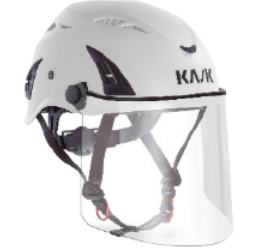 |
| Foot Protection | Work boots are required at all times. Some projects require additional safety toe protection. Tennis shoes, loafers, sandals, and other non-construction rated footwear is not allowed. 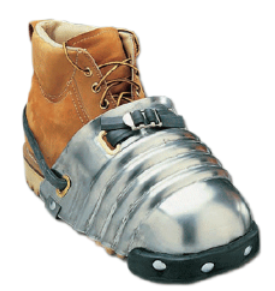 Additional metatarsal guards will be worn when operating jumping jacks, tampers, jack hammers, walk-behind rollers, and other operations where the top of the foot may be injured. Chemical protective boots must be worn if working around chemically hazardous conditions. When placing concrete, wear rubber boots with pants tucked in and the tops taped with impermeable tape to prevent concrete from entering the boot. |
| Head Protection | Inspect your head protection before each use. Never use a helmet that is damaged or does not pass inspection. Replace the helmet in accordance with manufacturer requirements. Do not alter head protection in any way. Helmets must be worn in accordance with manufacturer's instructions. Chin straps must be securely fastened while on the job site. Only manufacturer-approved items may be worn under the protection such as winter liners. Baseball caps, stocking caps, and sweatshirt hoods are not allowed. 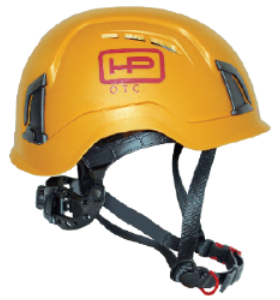 |
| Hand Protection | Wear gloves at all times while using tools, handling materials or doing any activity that could injure your hands or fingers. Do not use gloves if prohibited by the tool manufacturer or if the gloves create a greater hazard. Inspect your gloves before use and notify your supervisor immediately if your gloves are damaged. Use tool holders when driving stakes or wedges, or when holding star drills, bull points, or similar driven tools. Select the correct glove for each type of operation. 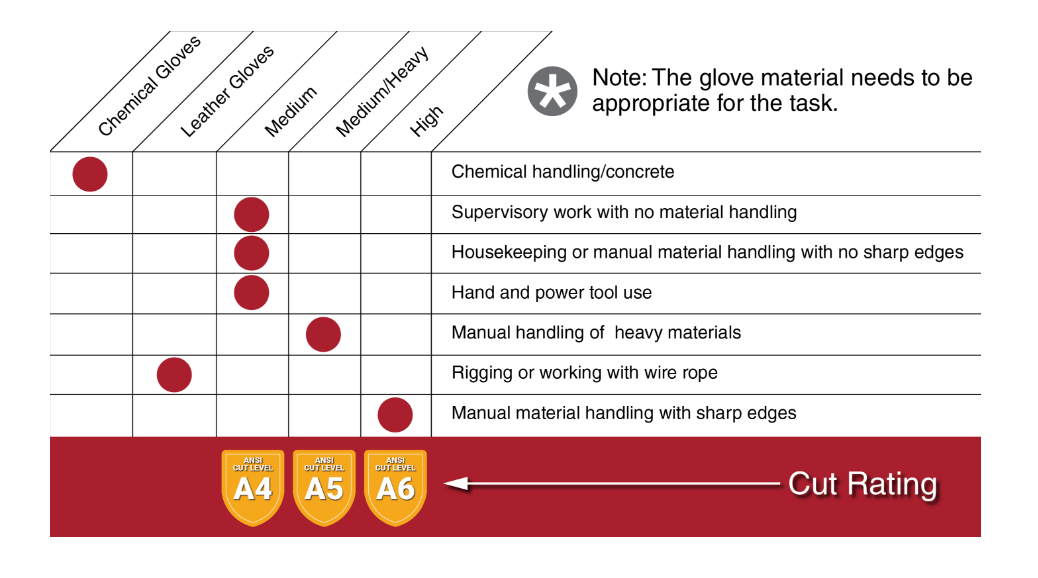 |
| Hearing Protection | As a general rule, wear hearing protection if you have to shout to be heard a few feet away. Ear plugs or earmuffs are required in loud areas and when using loud tools or equipment. Insert and wear your earplugs properly. 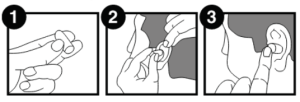 |
| High Visibility Vests (Work Garments) | Required when working around earthmoving or heavy equipment. Flaggers must wear a minimum ANSI Class II vest when exposed to traffic. |
| Leg Protection (Chaps) | Wear when performing specialized work like working with a chain saw, welding, using brush hooks, or when there is a possibility of snake bites. Never carry sharp or pointed tools in your pockets. |
| Respiratory Protection | Respirators should only be used when engineering controls do not effectively control the hazard to an acceptable level.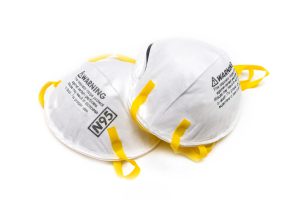 Before you can wear any type of respirator, including an N-95 respirator, you must: 1. Pass a medical evaluation 2. Be tested to ensure a proper fit. 3. Receive training from your supervisor. 4. Check with your supervisor if you wish to wear a respirator voluntarily. Only use a respirator that has NIOSH approval. You must be clean-shaven and not have any facial hair that will interfere with the seal of the respirator. |
| Skin Protection | Protect your skin from thermal and radiant burns with the use of protective clothing and/or sunscreen. |