
Silica
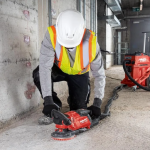
Learn about the minimum requirements for working with silica-containing products.
Energy Wheel and Hazard Recognition
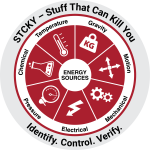
Learn about hazard recognition, how to use the Energy Wheel, and STCKY hazards.
Appendices

View the Silverbook’s Appendix.
Working Alone

Working alone is not in itself against the law and it will often be safe to do so. However, the law requires employers to consider carefully, and then deal with, any health and safety risks for people working alone. Employers are responsible for the health, safety and welfare at work of all their workers.
Conveyors
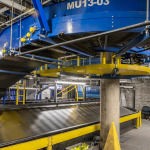
Conveyors are used to transport materials and present a variety of hazards depending the type of conveyor, the material conveyed, the location of the conveyor and proximity of workers.
Welding and Burning
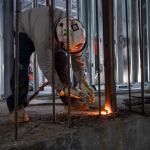
Welding, cutting, and brazing are activities that may pose a unique combination of both safety and health risks to workers.
Vehicles
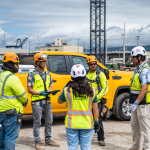
Preventing work-related roadway crashes requires strategies that combine traffic safety principles and sound safety management practices. Although employers cannot control roadway conditions, they can promote safe driving behavior by providing safety information to workers and by setting and enforcing driver safety policies
Traffic Control

The main purpose of a traffic control is to provide information to road users so they can safely move along a highway, street, pedestrian facility, or bikeway.
Tools
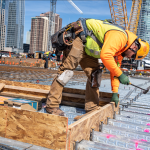
Each tool used on a construction site presents unique hazards. Understand how to use a tool safely prior to use.
Temperature Stress

Operations involving low or high temperatures, radiant heat sources, high humidity, direct physical contact with hot or cold objects, or strenuous physical activities have a high potential for causing temperature-related illness.
Scaffolds
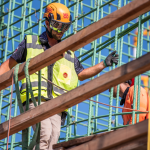
Performance-based criteria to protect employees from scaffold-related hazards such as falls, falling objects, structural instability, electrocution, or overloading.
Rigging
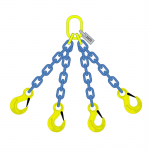
Improper rigging of a load or a rigging failure can expose riggers and other workers nearby to a variety of potential hazards. Riggers have been injured or killed when loads have slipped from the rigging, or when the rigging has failed. Therefore all loads must be safely rigged, including adequate welds on pad eyes prior to a lift.
Powered Industrial Equipment
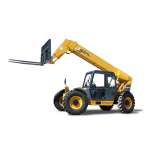
Powered industrial equipment, commonly called forklifts, are used in many industries, primarily to move materials. They can also be used to raise, lower, or remove large objects or a number of smaller objects on pallets or in boxes, crates, or other containers.
Personal Protective Equipment
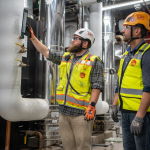
Personal protective equipment, commonly referred to as “PPE”, is worn to minimize exposure to serious workplace injuries and illnesses. These injuries and illnesses may result from contact with chemical, radiological, physical, electrical, mechanical, or other workplace hazards.
Lockout / Tagout
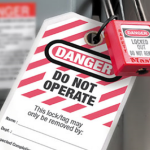
“Lockout/tagout” refers to specific practices and procedures to safeguard employees from the unexpected energization or startup of machinery and equipment, or the release of hazardous energy during service or maintenance activities.
Ladders

Falls from ladders can can cause serious injury or death. Understand how to set up and use a ladder correctly.
Hazard Communication
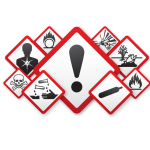
All employers with chemicals in their workplaces must prepare and implement a written hazard communication program, label containers, provide employees with access to Safety Data Sheets, and have an effective training program.
Fire Protection
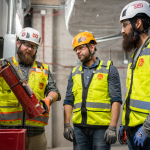
Help prevent fires on our project by understanding the basics of fire safety.
Fall Protection
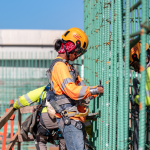
Falls are the leading cause of death in the construction industry. Understand what types of fall protection is available and the applicable safety requirements.
Excavations and Trenches
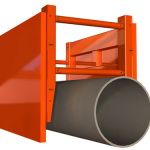
Only trained and authorized employees may enter excavations and only after the competent person has conducted an inspection of the excavation and determined it is safe to enter. Learn about basic trench and excavation safety.
Electrical
Working around electricity can be dangerous and only qualified people can work on electric systems. Understand how to avoid electric incidents.
Cranes
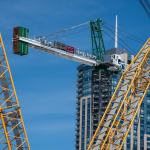
Understand the basics of working with and around cranes and other lifting equipment.
Confined Space
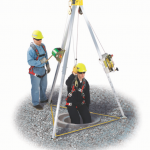
Do not enter any confined space without the proper training and permission from your supervisor. Learn the basics about confined spaces here.
Concrete

Placement of concrete requires special safety considerations. In some circumstances, concrete can also generate dust that needs to be contained. Learn how to work safely around concrete here.
Compressed Air
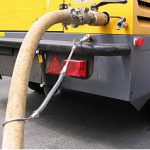
Using air compressors on construction sites requires special precaution. Understand how to use them safely.
Boom and Scissor Lifts
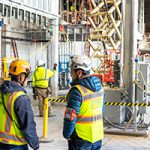
Basic safety requirements for working with and around aerial lifts.
Barricades

Understand how we use barricades on the project.
Back and Lifting Safety

Understand proper lifting technique to ensure your long-term health.
General Information

Get an understanding of our programs and procedures that are used on each project.
Foreman and Supervisor Responsibilities
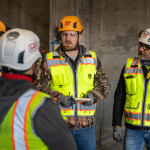
Understand the responsibilities of foreman and supervisors.
Introduction

Welcome to the Hensel Phelps Silverbook. This guide will help you understand the basic safety and health requirements of Hensel Phelps.